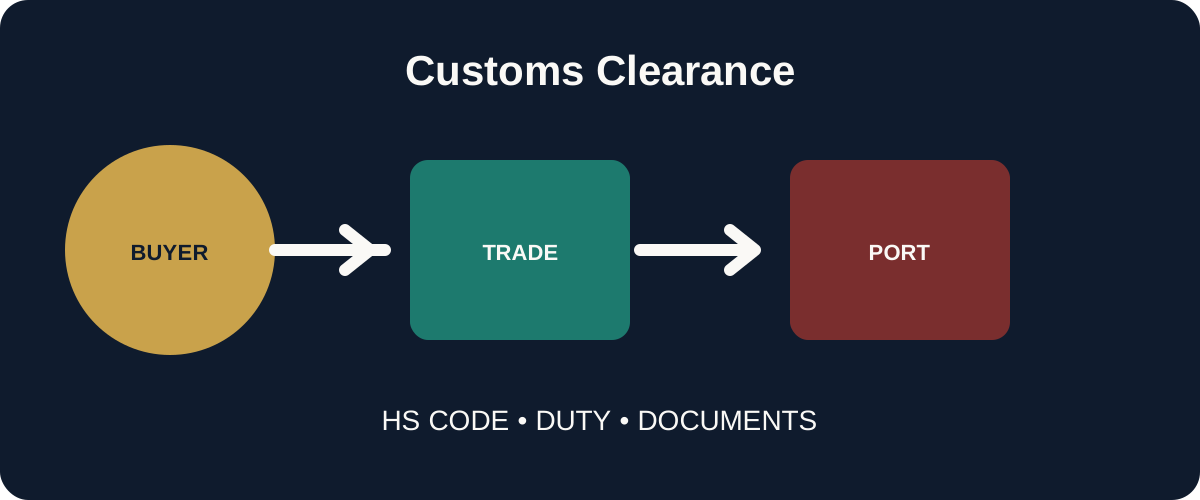
Customs clearance is the process of declaring goods to the relevant customs authority and meeting the requirements for export or import. The exact procedure differs by country and product, but the fundamentals are similar: identify the goods correctly, provide accurate documents, declare the value and classification, and pay applicable duties and taxes.
Product classification is especially important because HS or HSN codes help customs determine how goods are treated. A wrong classification can affect duty rates, restrictions and documentation requirements. Never select a code only because it produces a lower duty; verify the classification against the product and the destination country's tariff rules.
Customs value may also be important. Depending on the country, authorities may apply specific valuation rules. Freight, insurance and other costs can affect the calculation. Use a customs duty calculator only as an estimate and confirm the final assessment with the appropriate customs authority or broker.
Good documentation reduces friction. Keep commercial invoices, packing lists, transport documents, certificates and permits organized. Make sure descriptions, quantities, weights and values match the actual cargo. A freight forwarder or customs broker can help with procedures, but the exporter or importer remains responsible for providing accurate commercial information.