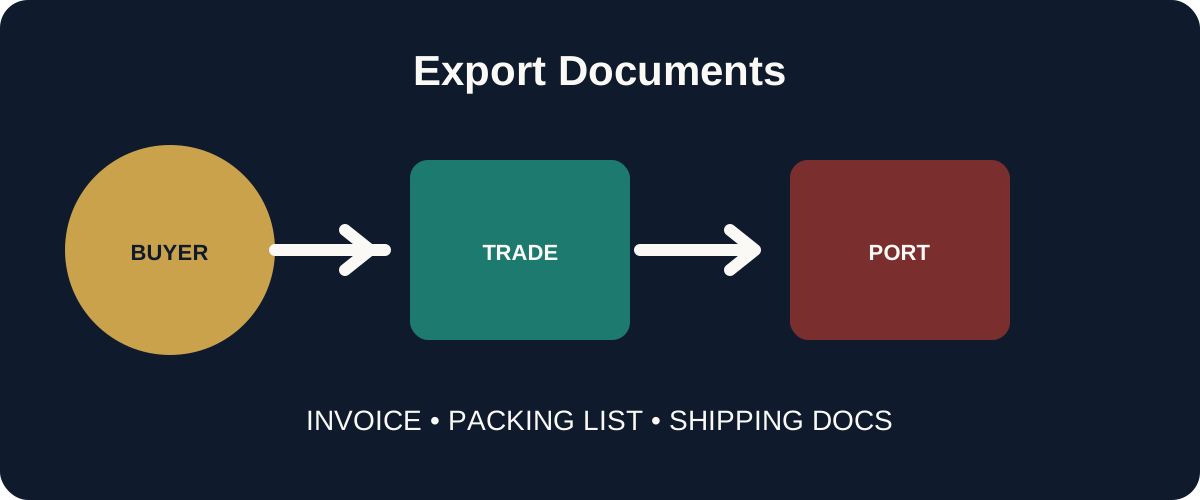
Export documentation tells the buyer, carrier and customs authorities what is being shipped, who is involved and what the commercial value is. The exact documents depend on the product, destination, transport mode and local regulations.
Common documents include a commercial invoice, packing list, bill of lading or airway bill, certificate of origin, insurance document when applicable, export declaration, inspection or test certificate where required, and product-specific certificates. Some shipments may require permits, licenses or special declarations.
The commercial invoice should describe the goods, quantity, unit price, total value, currency, seller, buyer and agreed trade terms. The packing list focuses on physical shipment details such as cartons, package numbers, dimensions and weights. Transport documents prove the carriage arrangement and provide shipment references.
One of the most important habits is consistency. Product descriptions, quantities, weights, values and package counts should agree across documents. Errors can cause delays, requests for clarification or customs problems. Before dispatch, create a document checklist and compare every field against the final packing data.
Use ExportImportTools to prepare common trade documents, but verify country-specific requirements with customs authorities, carriers, banks and your freight forwarder.