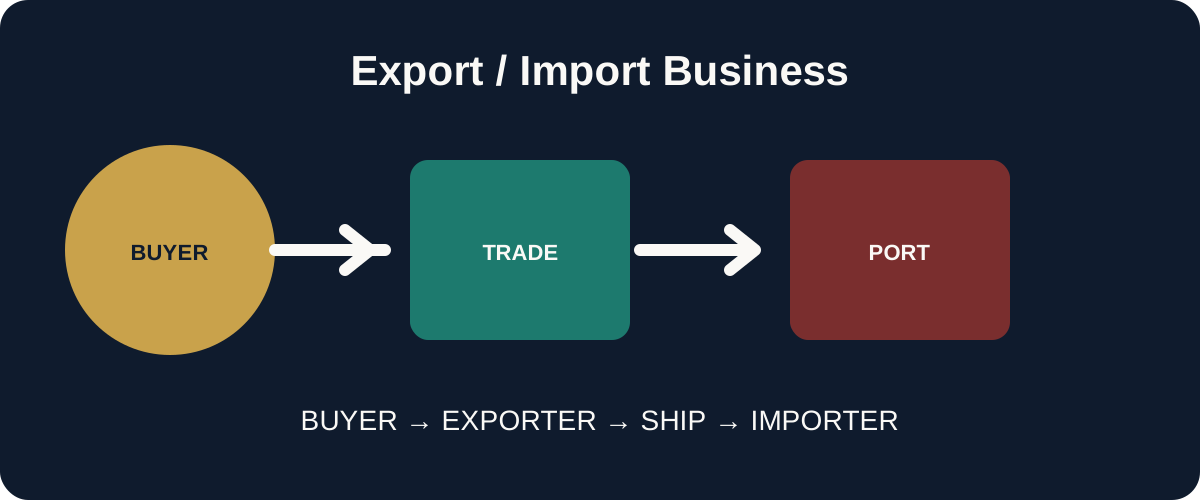
Starting an export import business is easier when you treat it as a process rather than a single sale. First choose a product with repeat demand, define the target market, research competitors and understand the rules that apply to the product. Then build reliable suppliers or production capacity, create a professional quotation and learn the basic shipping and payment terms used in international trade.
A good export business also needs accurate documentation. Commercial invoices, packing lists, transport documents, certificates and customs declarations should match the actual shipment. Product classification, country-specific duties and import requirements should be checked before you promise a delivery price.
For a first shipment, keep the transaction simple. Confirm the buyer, agree the product specification, quantity, price, Incoterm, payment method and delivery point in writing. Calculate packaging, inland transport, freight, insurance, duties where applicable and your margin before sending the final quotation.
Finally, build repeatable systems. Track buyer enquiries, supplier quotes, shipping costs and payment status. Use tools such as the CBM Calculator, Commercial Invoice Generator, Packing List Generator, HSN Code Finder and Incoterms Explainer to reduce manual errors. Always verify legal, tax and customs requirements with the relevant authorities or qualified professionals.