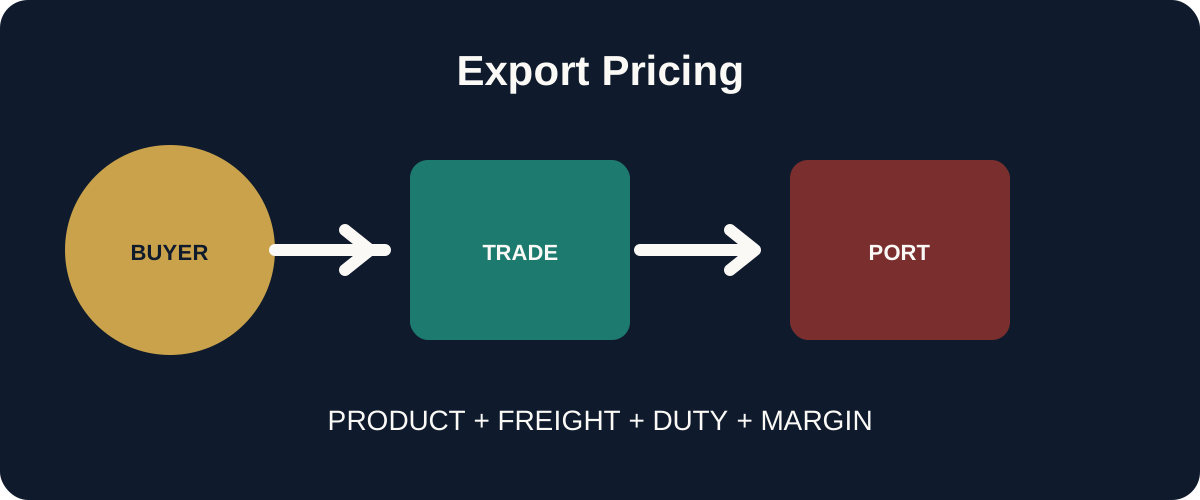
An export price should cover the real cost of delivering the product under the agreed commercial terms and leave a planned profit margin. Start with the product cost, packaging and local handling. Add inland transport, export clearance, freight, insurance and other transaction costs that you are responsible for under the selected Incoterm.
Do not confuse a low quotation with a profitable quotation. Freight rates, currency movements, bank charges, commissions and unexpected handling fees can reduce the margin. If the buyer asks for a price in another currency, use a reliable reference rate for planning and confirm the settlement rate with your bank or payment provider.
Incoterms matter because they divide responsibilities and risk. An EXW quote is very different from a DDP quote. FOB, CFR and CIF are commonly discussed for sea freight, while FCA, CPT, CIP, DAP and DDP may be used for multimodal shipments. Always name the place or port clearly.
Before sending a quotation, calculate cost per unit, total shipment cost, expected gross margin and a reasonable buffer. Record the assumptions so you can update the quotation when freight or currency conditions change.